

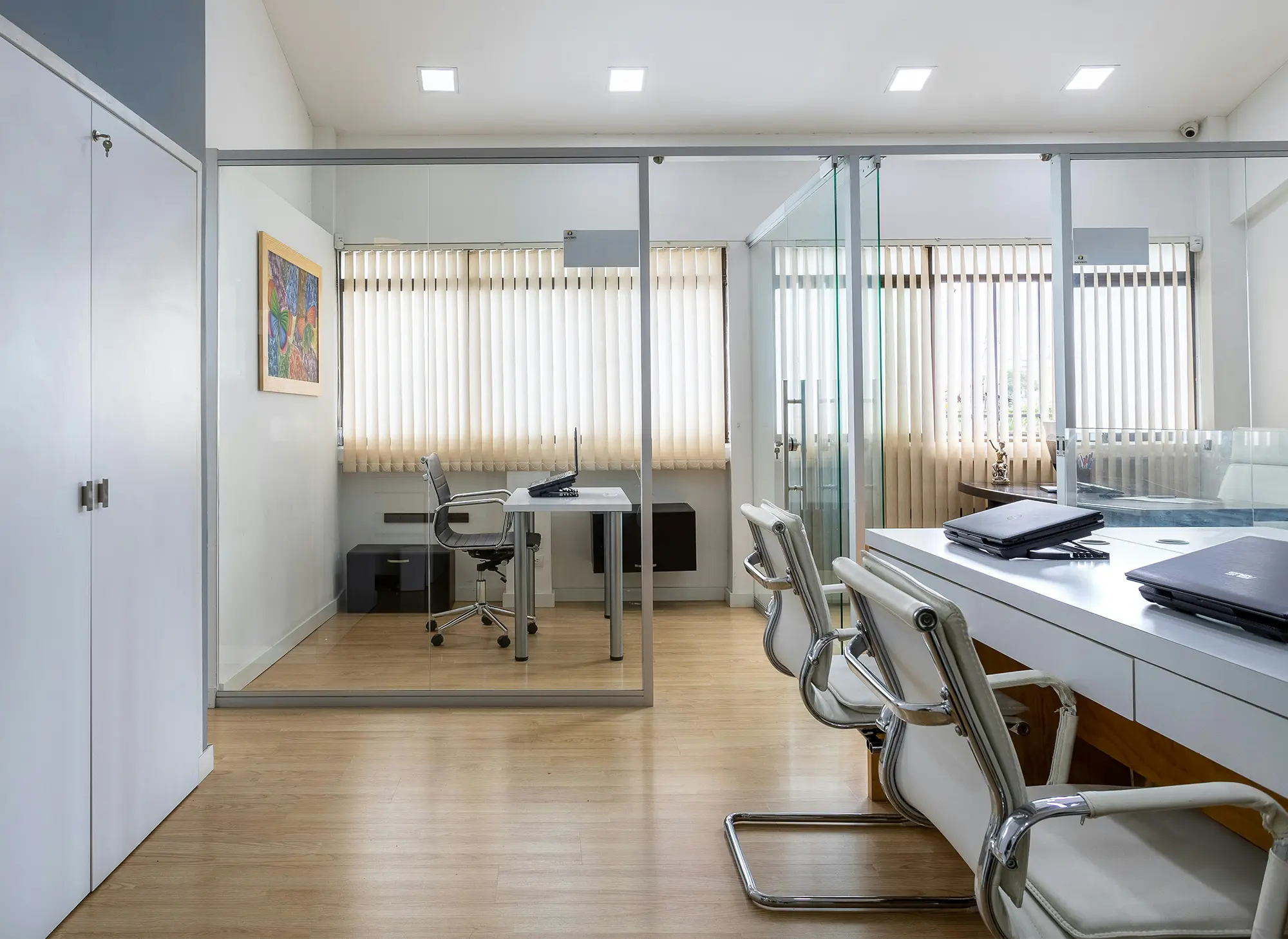
If you manage a commercial space in Sydney, your floors are doing a lot of heavy lifting. They take the full force of daily foot traffic, trolleys, chair legs, dropped equipment, and the general wear that comes with running a busy business. And unlike your walls or your fitout, the floors are something every single person who walks through the door notices, whether they realise it or not.
Timber floors in particular make a strong first impression when they’re well maintained, and a very different one when they’re not. So the question of how often to sand and polish them isn’t just a maintenance question; it’s a brand question.
Why Timber Is the Right Choice for Commercial Spaces
Before getting into frequency, it’s worth understanding why timber floors are so well suited to offices, retail spaces, cafes, and restaurants in the first place.
Unlike carpet, timber is straightforward to keep clean. A daily sweep and prompt attention to spills is all that’s needed between professional maintenance. There are no fibres trapping allergens, no grout lines collecting grime, and no need for disruptive steam cleaning. For businesses with employees or customers who have allergies or sensitivities, that’s a genuine advantage.
Timber is also far more durable over the long term. Carpet shows wear and rarely fully recovers, even with regular cleaning. Timber, on the other hand, can be sanded back and refinished to look brand new again, and again. That makes it a smarter investment for spaces where the floors are expected to last the life of the building, and it adds genuine value to the asset itself, which matters whether you own the premises or manage it on behalf of someone who does.
How Often Should Office Timber Floors Be Sanded?
There’s no single answer, because the right frequency depends on how much traffic your floors handle and what type of business you’re running. Here’s a practical guide by space type.
High-traffic spaces (cafes, restaurants, retail shopfronts): Floors in these environments absorb constant foot traffic, spills, chair movement, and heavy use throughout the day. A full sand and polish every three to five years is a reasonable starting point, though busier or larger venues may find they need attention sooner.
Moderate-traffic spaces (offices, showrooms, reception areas): These floors wear more slowly but still benefit from a full sand and refinish every five to seven years. High-use zones like reception areas, corridors, and near entry points may need attention more frequently than quieter areas.
Lower-traffic spaces (meeting rooms, back-of-house areas): In areas that see limited daily use, floors can comfortably go seven to ten years or more between full sandings, provided they’re cleaned regularly and minor damage is addressed promptly.
It’s also worth knowing that a full sand isn’t always necessary. A screen and recoat, which involves a light buff and a fresh coat of finish without removing significant timber, can extend the life of your floors and keep them looking sharp between full restorations. Many commercial spaces benefit from a screen and recoat every two to three years as part of a broader maintenance schedule.
Signs Your Floors Are Due for Attention
Rather than waiting until the damage is obvious, it’s worth knowing what to look for. Floors are due for sanding and polishing when you notice any of the following:
- The finish has worn through in high-traffic areas and the bare timber is visible.
- The surface looks dull or grey even after cleaning.
- There are visible scratches, scuffs, or gouges across large areas of the floor.
- The boards are starting to splinter or feel rough underfoot.
- Or the floors simply no longer reflect the standard of the business being run in the space.
Catching the wear early makes the job easier and less costly. If timber is left too long without attention, the damage can go deeper into the wood and require more extensive sanding to correct.
Planning the Work Around Your Business
One concern that often holds businesses back from scheduling floor maintenance is disruption. A full sand and polish does require the space to be vacated, and the floors need adequate time to dry and cure before the area can be returned to use.
The good news is that experienced commercial flooring companies work around business schedules. Work can often be completed overnight or across a weekend, minimising the impact on operations. For larger spaces, work can typically be staged by area so the entire premises doesn’t need to be out of action at once.
The key is planning ahead. Booking in advance and scheduling the work during a quieter period, whether that’s a public holiday weekend, an end-of-year close, or a planned office refurbishment, means the disruption is managed on your terms rather than forced by the state of the floors.
A Well-Maintained Floor Pays for Itself
The cost of keeping commercial timber floors in good condition is modest compared to the cost of replacing them, or the less visible but very real cost of the impression worn, scratched floors make on everyone who walks through the door.
Regular maintenance extends the life of the floors significantly, keeps the space looking professional year-round, and means any individual restoration job is quicker and less involved because the damage hasn’t been allowed to go too deep.
If you manage a commercial space in Sydney and want to know where your floors currently sit and what they need, Abacus Flooring has been working with Sydney businesses since 1992, with more than 40,000 satisfied customers across the city and Northern Beaches. The team offers obligation-free assessments and will give you an honest picture of what your floors need and when. Get in touch to book a free assessment.