

Floor Sanding FAQs
Questions we hear often
Is my floor suitable?
How do I know if my floor can be sanded?
Laminate and hybrid floors cannot be sanded, but solid timber and engineered floors can. Bamboo and pre-finished floors can usually be sanded too, though we may need to inspect these in person to confirm.
See our guide on what floors can be sanded and polished for a full breakdown. If you’d also like to send us a clear photo of your floor we can confirm whether it can be sanded.
Can you remove all damage?
We can sand out most damage from your wooden floor, but some damage may stay or affect how your floor looks at the end. Here are three examples:
Deep cuts, like from a carpet trimming knife
We can’t sand these out fully, because it would make the floorboards too thin.
Water damage or old, worn floorboards
These may need to be replaced, and can also affect how even or how the colour looks once finished.
Urine stains
These dark marks may not fully come out.
Can you do spot repairs?
Yes, we can repair small sections of your floor, so you won’t need to refinish the whole room. This works for scratches, water damage, or worn spots. Our team will check the damage and repair it to match the rest of your floor.
Can you restore heritage or older timber floors?
Yes, we specialise in restoring old, heritage, and character floors. We bring back the natural richness of the timber, while keeping its original look and grain.
Finish and style options
Will my floors be shiny?
You can choose how shiny you want your floor to be. The options are: matt, satin, semi-gloss, gloss, or high gloss.
Is the finish safe for kids and pets?
Preparing your home
Do I need to move my furniture first?
What about the fridge, dish washer and piano?
The dishwasher can usually stay where it is. We also recommend leaving large plumbed fridges in place, since moving them back in can scratch the new floor. That said, this depends on the direction of your floorboards and the condition of your floor, so it’s best to talk to us first.
Pianos are heavy and hard to move, so we recommend hiring a professional piano removalist. They should move the piano out before we start, and back in once the floor is fully dry, using proper equipment that won’t damage your new floor.
Does my floor need to be clean?
Yes, please clean your floors before we arrive. This protects our sanding machines and helps us start on time in the morning, so your job stays on schedule.
How long does sanding and polishing take?
During the job
Can I stay home while you sand my floors?
We don’t recommend staying in the house during sanding. The process creates a lot of noise and fine dust, and sometimes fumes which can be risky for your health. Our team wears safety gear, but we can’t guarantee your safety if you stay on site.
Can sanding dust affect my indoor plants?
Yes, dust and fumes can affect sensitive plants but good ventilation helps reduce this. If you’re worried, we recommend moving your plants somewhere else until the job is finished.
Do you work weekends?
Yes, we can sometimes work on weekends to meet timeframes. For businesses, we can also work at night if you need us to.
Aftercare
How do I look after my floors after sanding?
To keep your floors in good condition we recommend:
- Sweep or vacuum regularly
- Use a slightly damp mop, not a wet one
- Avoid harsh chemicals
- Never drag heavy furniture across the floor
- Use felt pads under furniture legs
- Place mats near entrances to reduce grit
For more details, see our full guide on how to maintain timber floors.
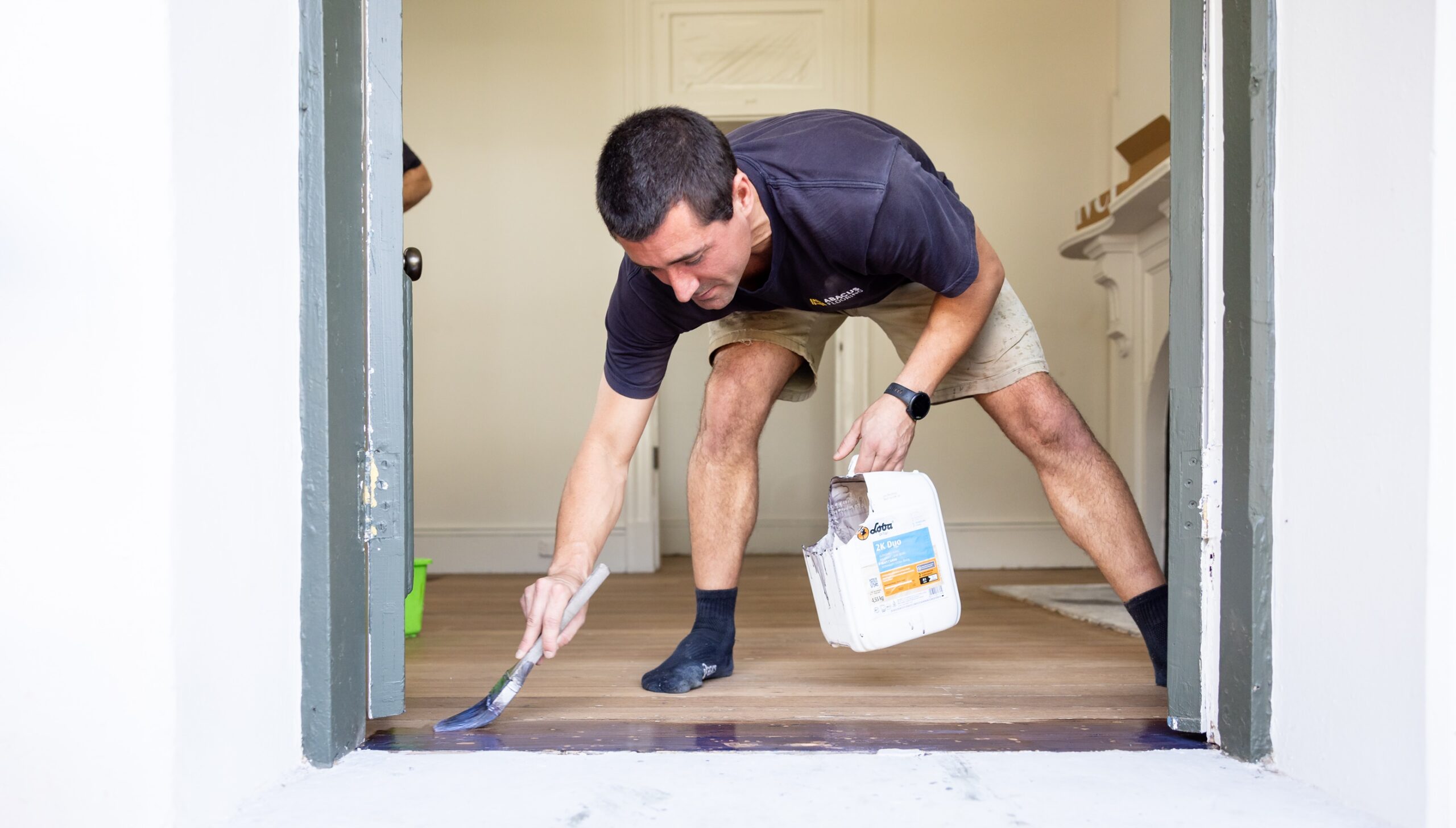
What products do we use?
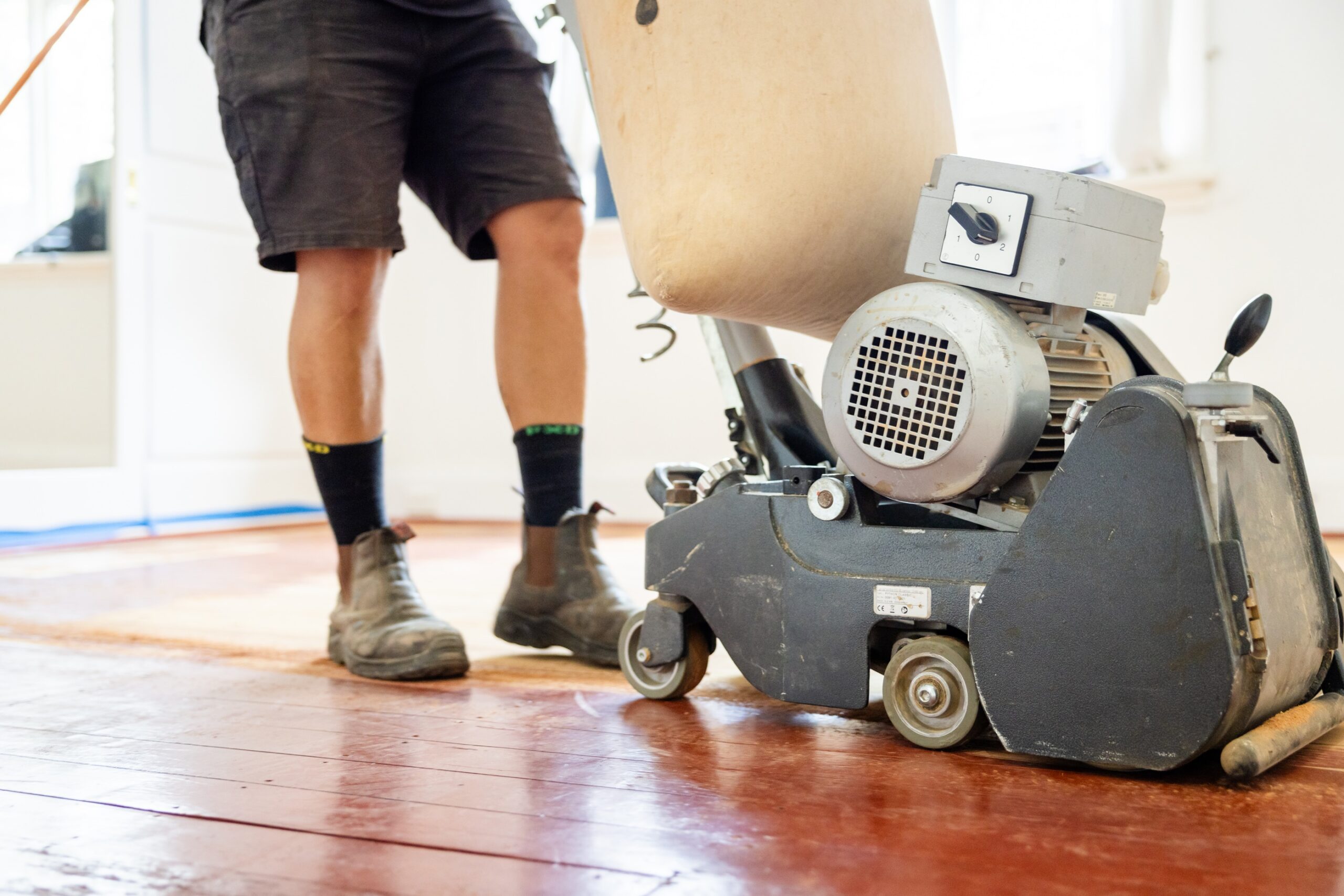
How much timber is removed during sanding?
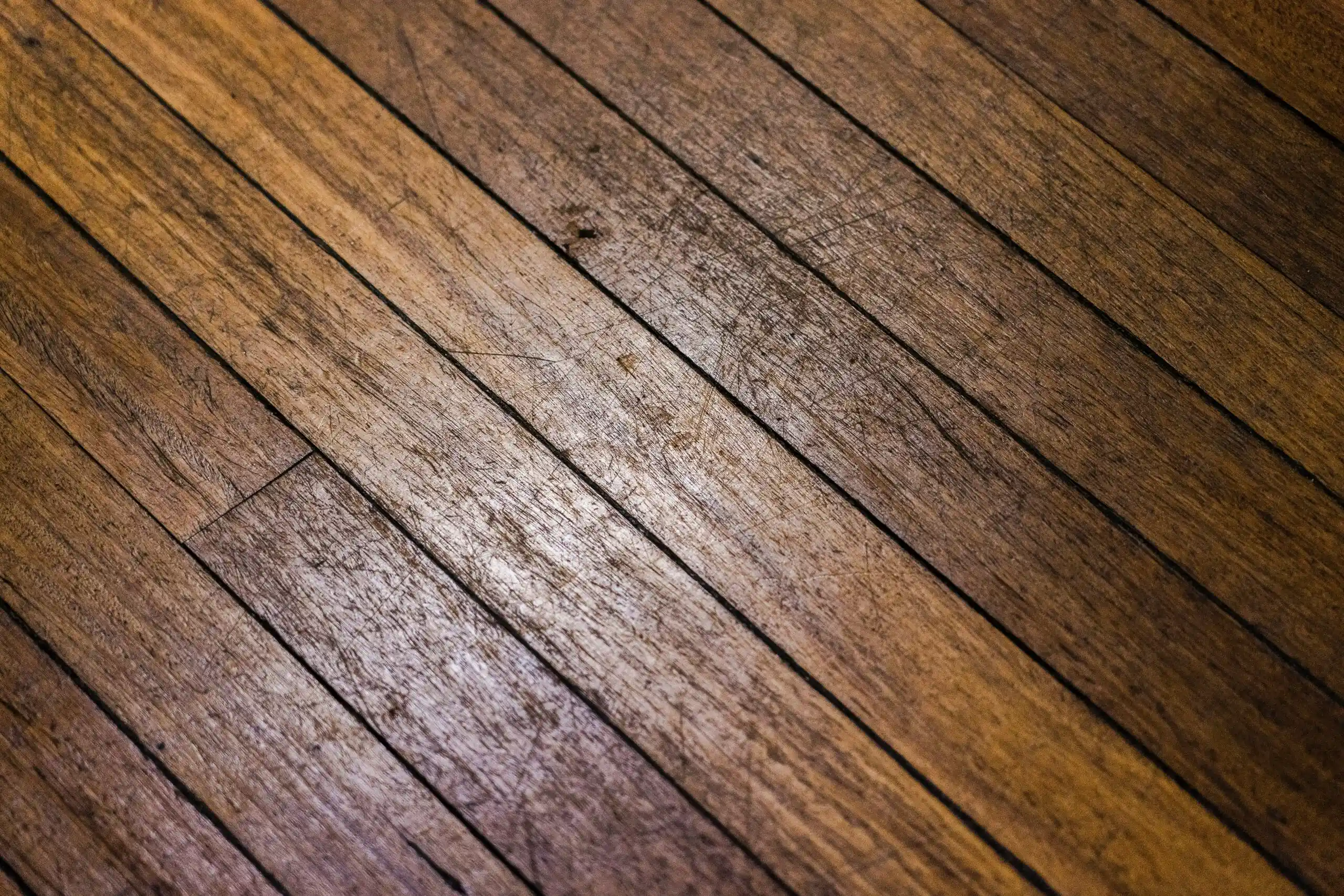
How does the condition of the timber impact the sanding process?
Still have questions?
Get in touch with our team, we’re happy to help.