

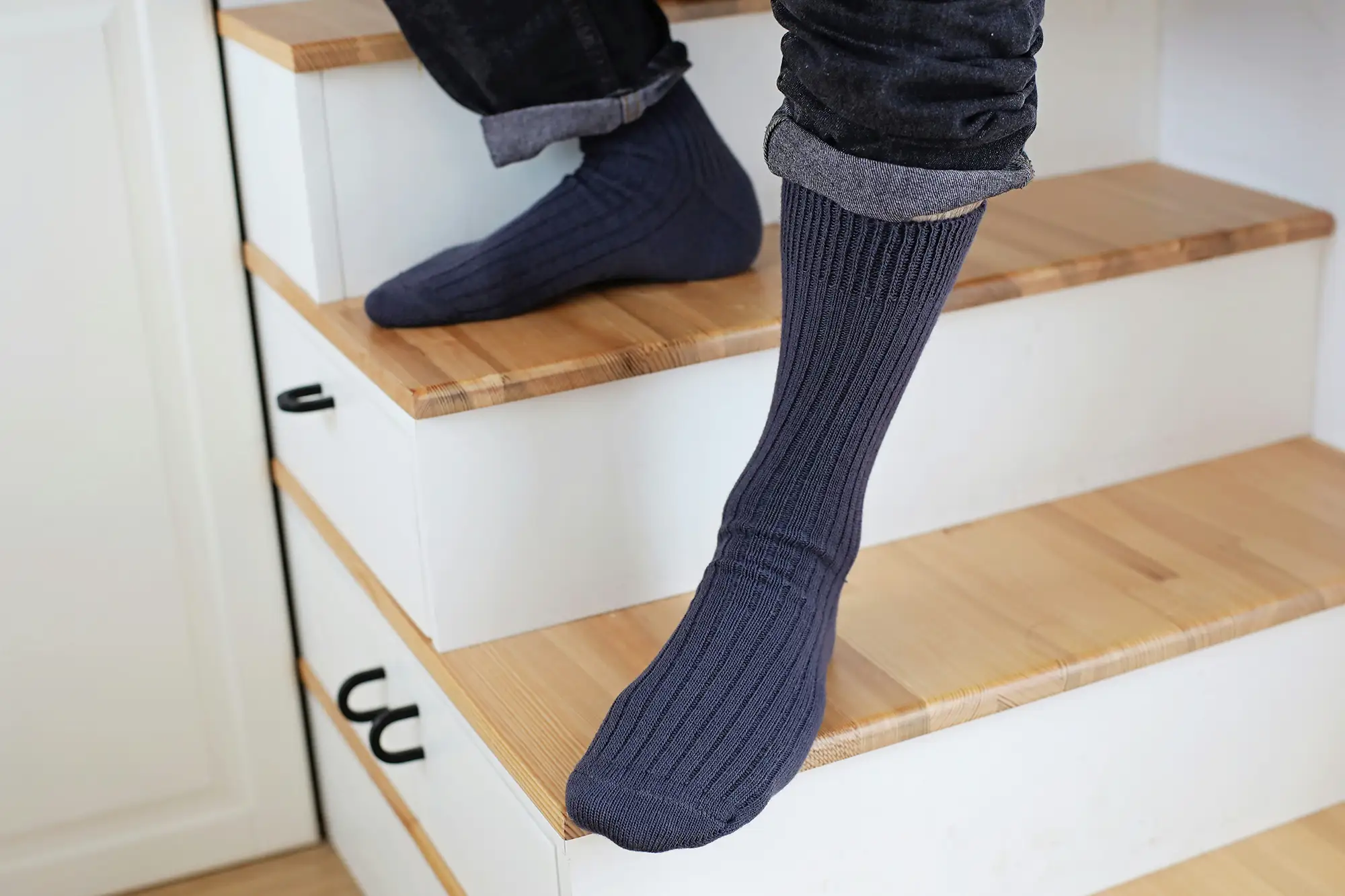
If your timber floors have become slippery, you’re dealing with more than just an inconvenience – it’s a genuine safety concern. One slip can lead to serious injuries, particularly for children, elderly family members, or anyone with mobility challenges. This is why it’s one of the most common concerns we hear from homeowners, and fortunately, it’s usually fixable once you identify the cause.
What's Making Your Timber Floors Slippery?
Most polished timber floors feel dry within 24 hours, but full curing takes approximately 10–14 days. The exact timing depends on the type of finish used and your home’s conditions, such as temperature, humidity, and ventilation.
While you may be able to walk on your floors in socks after 24 hours, extra care is needed for the first two weeks. Furniture, rugs, and heavy items should only be reintroduced gradually to avoid damaging the fresh coating. Drying and curing times are measured from the moment the final coat is applied.
Understanding Drying vs. Curing Time
Many homeowners actually create slippery floors by overusing cleaning products. When polish, wax, or even regular floor cleaner accumulates over time, it forms a slick coating that gets worse with each application. This is especially common with products that promise extra shine or protection. Learning to avoid the common habits that destroy your timber floors can help you prevent this buildup from occurring in the first place.
The Wrong Cleaning Products
Even if you’re not over-cleaning, using the wrong products can cause the same problem. Not all floor cleaners are suitable for timber. Some products designed for tile or vinyl can leave a filmy residue on hardwood that makes it dangerously slippery. Oil-based cleaners, in particular, can create a skating rink effect if they’re not formulated specifically for timber floors.
Worn or Degraded Finish
Timber floor finishes don’t last forever. As polyurethane or other protective coatings wear down, the surface becomes uneven. Some areas may develop a polished, slippery texture while others remain rough. High-traffic zones like your hallway or living area often become the stickiest as the finish compresses and smooths out from constant foot traffic.
Moisture and Humidity
We also see how Sydney’s climate can affect timber floors significantly. High humidity causes wood to absorb moisture, which can bring natural oils to the surface and create a slippery film. After mopping, if your floors aren’t dried properly or if you’ve used too much water, the moisture can seep into the timber and leave it slippery for hours.
Natural Oils Rising to the Surface
Certain timber species, particularly oily hardwoods like some eucalyptus varieties, naturally release oils over time. Temperature fluctuations and age can accelerate this process, leaving a subtle but noticeable slippery coating on your floors.
Dust and Fine Particles
It sounds counterintuitive, but a thin layer of dust can actually make floors more slippery. These fine particles act like microscopic ball bearings, reducing traction. This is often worse in homes with pets or during drier months, like September.
When You Need Professional Help
If you’ve tried cleaning your floors properly and they’re still slippery, the issue likely goes deeper than surface dirt. This is where professional floor sanding becomes essential.
Complete Finish Removal and Restoration
Floor sanding strips away the old, compromised finish down to bare timber. This removes all product buildup, uneven wear patterns, and degraded coatings that contribute to slipperiness. Starting fresh means you can apply a new finish that provides both beauty and proper traction.
Correcting Surface Issues
Professional sanding doesn’t just remove the finish – it also levels the timber surface itself. Uneven boards, minor cupping, or areas that have become overly smooth from wear can all be corrected, creating a uniform surface that’s less prone to becoming slippery.
Choosing the Right Finish
At Abacus Flooring, we can help you select a finish with the appropriate slip resistance for your needs. Matte and satin finishes generally provide better traction than high-gloss options, and we can recommend products specifically formulated for your lifestyle and timber species. For example, if you live in Bondi, floor sanding and finishing choices need to withstand sandy feet, coastal humidity, and salt exposure (conditions you won’t find in inland suburbs).
How to Maintain Safe, Non-Slippery Floors
Once your floors have been professionally sanded and refinished, proper maintenance is essential to keep them safe. Understanding how long polished floors take to dry is also important to avoid creating a slippery surface while the finish is still curing.
Use the Right Products
Stick with pH-neutral cleaners designed specifically for timber floors. Avoid anything with wax, oil, or excessive shine enhancers. A simple damp mop with a proper timber floor cleaner is usually all you need.
Don't Over-Clean
More isn’t better when it comes to floor care. Over-cleaning or using too much product creates the very buildup that causes slipperiness. Clean only when needed, and use products sparingly.
Control Moisture
Never wet-mop timber floors. Use a barely damp mop and dry the floor immediately with a clean, dry cloth or mop.
Regular Maintenance Schedule
Even with perfect care, timber floor finishes eventually wear down. Depending on traffic and use, most timber floors benefit from professional maintenance every 7–10 years. Catching wear before it becomes severe helps prevent both slipperiness and more extensive damage.
If your timber floors have become slippery, don’t wait for an accident to happen. The experts at Abacus Flooring can assess your floors and determine whether a simple cleaning approach will solve the problem or if professional floor sanding is needed to restore safety and beauty to your home.