

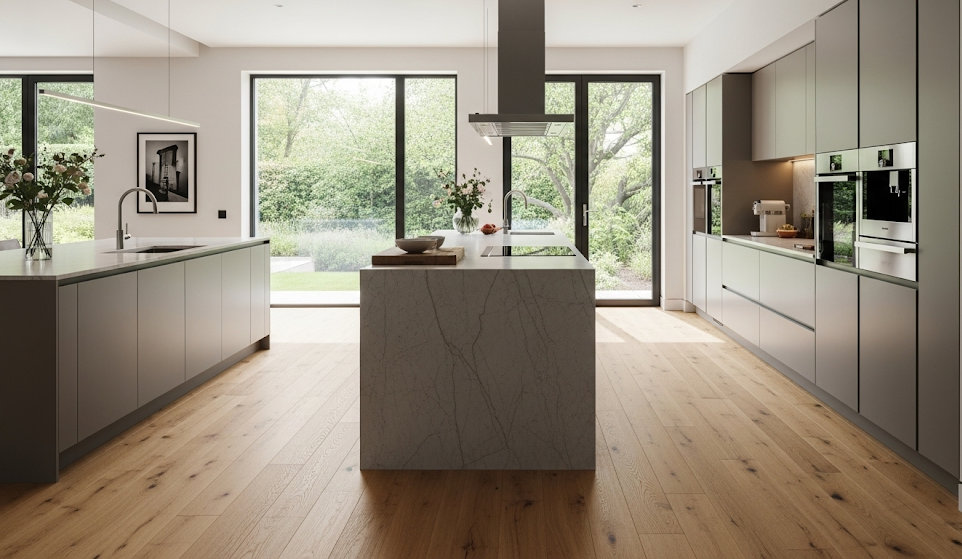
The kitchen is often called the heart of the home, a place where families gather, meals are prepared, and conversations flow. More than ever, homeowners want their kitchens to feel connected to the rest of their space rather than existing as a separate, purely functional room.
One way people are achieving this is by continuing timber floorboards from living and dining areas into the kitchen. Timber flooring instantly softens the space, creating warmth underfoot and a natural flow that ties the entire home together.
While the visual appeal is undeniable, the idea of timber in kitchens sparks strong opinions. Many homeowners praise the comfort and character it brings, especially compared to colder, harder surfaces like tile or stone.
Others raise concerns about water damage, spills, and daily wear. This ongoing debate highlights a simple truth: timber floors in kitchens can be both beautiful and practical, but they require a certain mindset and approach to care.
Why Homeowners Love Timber in Kitchens
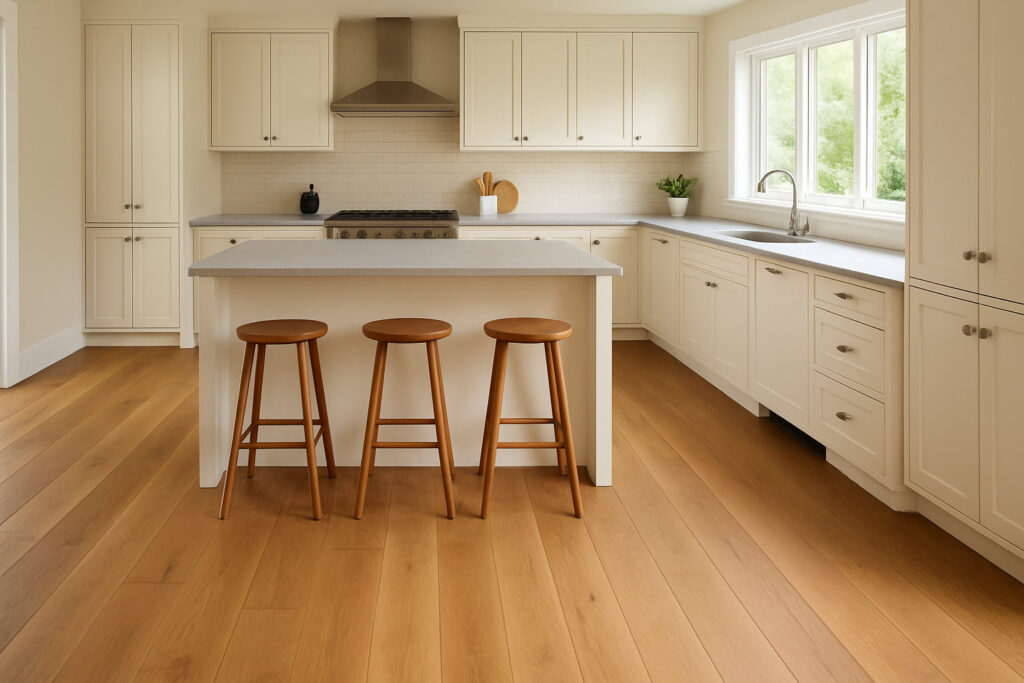
Timber floors in the kitchen create a sense of continuity that makes the entire home feel more cohesive. In open-plan layouts, where the living, dining, and kitchen areas blend into one another, continuing the same flooring across all spaces avoids abrupt visual breaks.
Instead of stepping from the warmth of timber into the colder, harder feel of tile, the flooring flows naturally, making the home look larger and more inviting. This seamless transition is one of the most commonly cited reasons people choose timber in kitchens, as it allows the kitchen to feel like an extension of the living area rather than a separate zone.
Beyond aesthetics, timber floors offer a level of comfort that other materials often lack. The surface feels warmer and more tactile than stone or tile, which can be particularly welcome in colder months or early mornings. Timber also has a gentle give that makes it easier on the joints when standing for long periods while cooking.
Over time, many homeowners grow attached to the character timber develops, as small marks and subtle changes in color become part of its story. Rather than seeing wear as damage, they view it as a natural patina that adds character to the home.
Choosing the Right Timber
Selecting the right type of timber is one of the most important steps in deciding whether wood floors will work well in a kitchen. Solid hardwood has long been the classic choice, offering natural beauty and a surface that can be sanded and refinished multiple times over its lifespan.
This makes it a durable investment, but it does require extra care in areas prone to moisture. Any spills need to be addressed promptly, and homeowners need to be mindful of how solid timber reacts to changes in humidity.
For those willing to stay attentive, solid hardwood can make for a floor that lasts for generations while bringing timeless warmth to the kitchen.
Engineered timber has become increasingly popular in kitchens because of its stability. Built with multiple layers, it resists expansion and contraction better than solid wood, making it less vulnerable to warping in the presence of moisture or temperature shifts.
When it comes to species, harder timbers such as oak, spotted gum, or blackbutt are often chosen for their ability to handle the heavy foot traffic of a kitchen without denting as easily. Another consideration is whether to opt for pre-finished boards or site-finished ones.
Pre-finished boards arrive with a strong protective coating already applied, offering an extra layer of resistance to spills and scratches, while site-finished floors allow more customization but may not provide the same level of initial protection.
Challenges to Consider
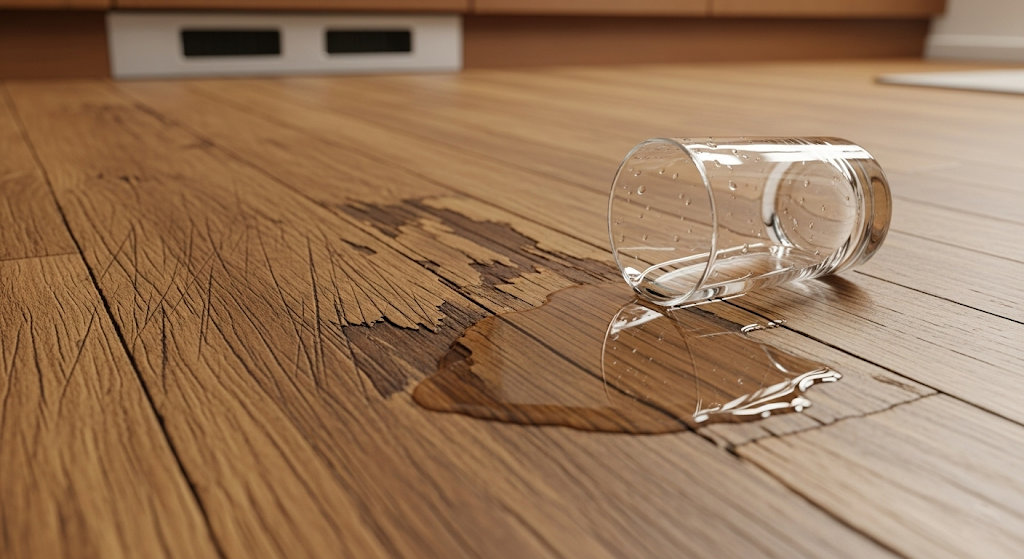
While timber floors bring undeniable warmth and beauty to a kitchen, they are not without challenges. Kitchens see more water and liquid spills than almost any other room in the house, making them a high-risk area for moisture damage.
Even small drips near sinks or dishwashers can gradually seep into the boards if not wiped up, leading to warping, staining, or swelling. Homeowners often point to slow leaks from appliances as the biggest culprit, since the damage can go unnoticed until it becomes extensive.
Unlike tile or vinyl, timber requires more vigilance, and this added responsibility can feel like a drawback for those who prefer a low-maintenance surface.
Beyond water, day-to-day activity in a kitchen can take a toll on timber floors. Chairs scraping across the surface, pets running through, or heavy utensils dropped on the boards can leave scratches and dents.
Some people embrace these imperfections, appreciating the way they add to the lived-in character of the floor. Others, however, find them frustrating, especially if they expect the kitchen to maintain a pristine look.
This divide often comes down to mindset: those who see timber as a surface that evolves with time tend to be happier, while those who prefer a flawless finish may feel the upkeep outweighs the benefits.
Design Considerations
Choosing timber for a kitchen is as much about design as it is about function. Floors take up a large surface area, which means they play a central role in shaping the overall look and feel of the room. Continuing the same timber flooring from living and dining areas into the kitchen creates visual flow and a sense of unity.
This is especially effective in open-plan homes, where uninterrupted flooring makes spaces feel larger and more cohesive. Instead of the kitchen standing apart, it becomes seamlessly integrated into the broader living environment.
The style of timber chosen can further enhance the design of the space. Wide floorboards are often preferred in contemporary homes, offering a clean, modern aesthetic, while narrower boards suit traditional or heritage-style properties where character and detail are valued.
Color also has a strong impact. Light timbers can open up smaller kitchens, reflecting more natural light and making them feel airy. In contrast, darker timbers introduce depth and richness, creating a more dramatic atmosphere.
These choices allow homeowners to use timber flooring not just as a practical surface, but as a design feature that helps define the personality of their kitchen.
Protecting Timber in a Kitchen Setting
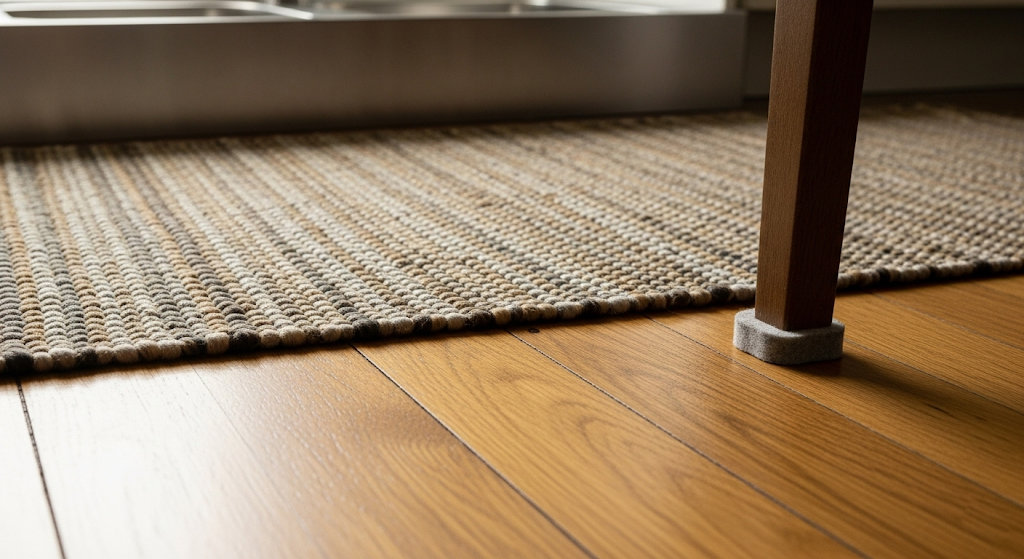
Timber floors can thrive in kitchens, but protection starts with everyday habits. Homeowners often say that simple routines make the biggest difference, like wiping up spills as soon as they happen and placing rugs or mats in front of sinks, dishwashers, and refrigerators where water is most likely to collect.
Using felt pads under chairs and stools prevents scratches from constant movement, while heavier furniture and appliances should be placed carefully to avoid dents. These precautions may seem minor, but they can dramatically extend the life of your timber floors.
In addition to daily care, the finish applied to the floor plays a major role in how well it stands up to kitchen use. High-quality sealants and finishes create a protective barrier that helps guard against moisture and stains, adding a valuable layer of insurance for areas prone to spills. Regular maintenance checks are just as important, especially around appliances.
Catching a slow leak early can save homeowners from costly repairs and prevent large sections of flooring from needing replacement. When combined with thoughtful placement of appliances and a strong protective finish, these measures allow timber floors to handle the demands of a busy kitchen without losing their charm.
Alternatives to Solid Timber
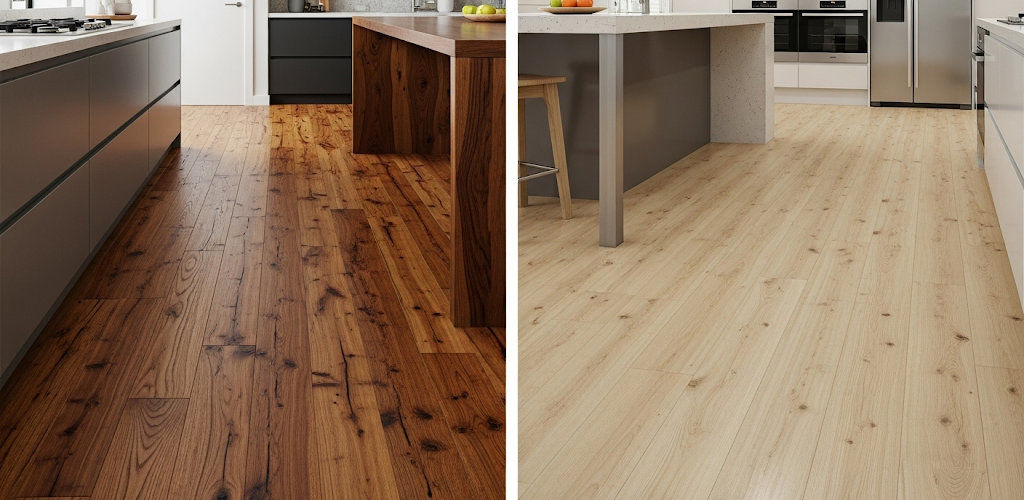
For homeowners who love the appearance of timber but worry about upkeep, engineered timber and hybrid flooring offer strong alternatives.
Engineered boards are made with a real timber surface layered over a stable core, which makes them more resistant to changes in temperature and humidity than solid hardwood.
This added stability is especially valuable in kitchens, where moisture and heat are common. Hybrid flooring goes a step further by combining a rigid core with a durable, waterproof top layer that mimics the look of timber.
Both options provide the character and visual appeal of wood while reducing the risk of warping or swelling in a high-use kitchen environment.
Other wood-look products, such as luxury vinyl planks, are also growing in popularity for kitchens. These materials are designed to replicate the appearance of timber with the benefit of being completely water-resistant and much easier to maintain.
They handle spills, pets, and heavy foot traffic with little concern, making them appealing to those who prioritize practicality. The trade-off is that while these products look convincing, they do not deliver the same warmth and natural variation as real timber underfoot.
For homeowners who value the timber aesthetic but prefer a low-maintenance lifestyle, these alternatives strike a sensible balance between style and function.
Maintenance and Longevity
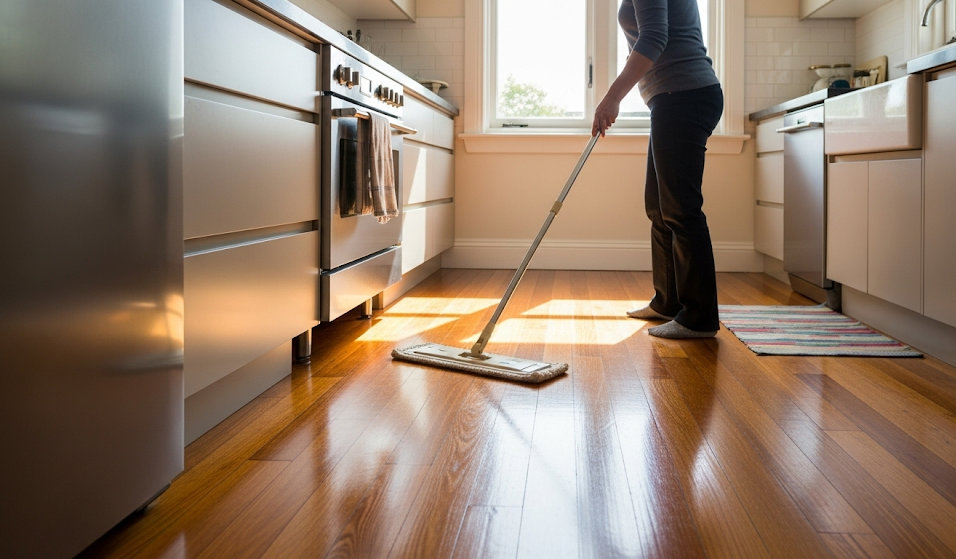
Keeping timber floors in good condition comes down to consistent care. Regular sweeping or vacuuming removes grit that can scratch the surface, while mopping with products designed for timber helps preserve the finish without causing damage.
Harsh cleaners or soaking the floor with water should be avoided, as they can strip away protective coatings or allow moisture to seep into the boards. Many homeowners find that small daily habits make it much easier to keep their kitchen timber floors looking their best.
When cared for properly, timber floors are known to last for decades, even in kitchens where activity is constant. Homeowners often report being satisfied with their floors years after installation, provided they stay on top of cleaning and guard against leaks.
One of the greatest advantages of timber is its ability to be sanded and refinished. This process removes surface wear and restores the floor to a near-new condition, effectively giving it a fresh start.
With the possibility of refinishing multiple times over its lifespan, timber floors can easily outlast many other flooring options, making them a long-term investment that combines beauty with durability.
Is Timber Flooring Right for Your Kitchen?
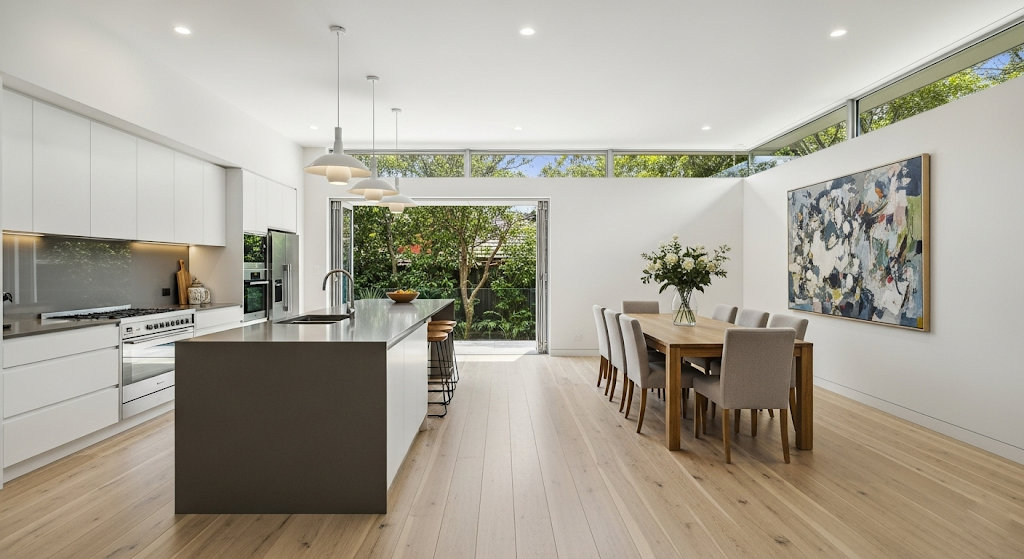
Timber floors in kitchens continue to spark debate because they combine undeniable style with practical considerations. On one hand, they create warmth, comfort, and continuity, making the kitchen feel like a true extension of the home.
Many homeowners love the character timber develops over time, seeing small imperfections as part of its natural story. On the other hand, kitchens are busy spaces where spills, leaks, and heavy use are common.
For those who prefer a surface that requires little thought or maintenance, timber may feel like more responsibility than it is worth.
Ultimately, the decision comes down to lifestyle and priorities. Homeowners who are attentive to daily care and willing to protect their floors often find that timber performs beautifully in the kitchen, offering decades of use with the option to refresh through sanding and refinishing.
For others, alternatives like engineered timber, hybrid flooring, or luxury vinyl planks may provide a better balance of appearance and practicality. Either way, the kitchen remains the heart of the home, and choosing the right floor is about finding the option that not only fits the space but also suits the way it is lived in.