

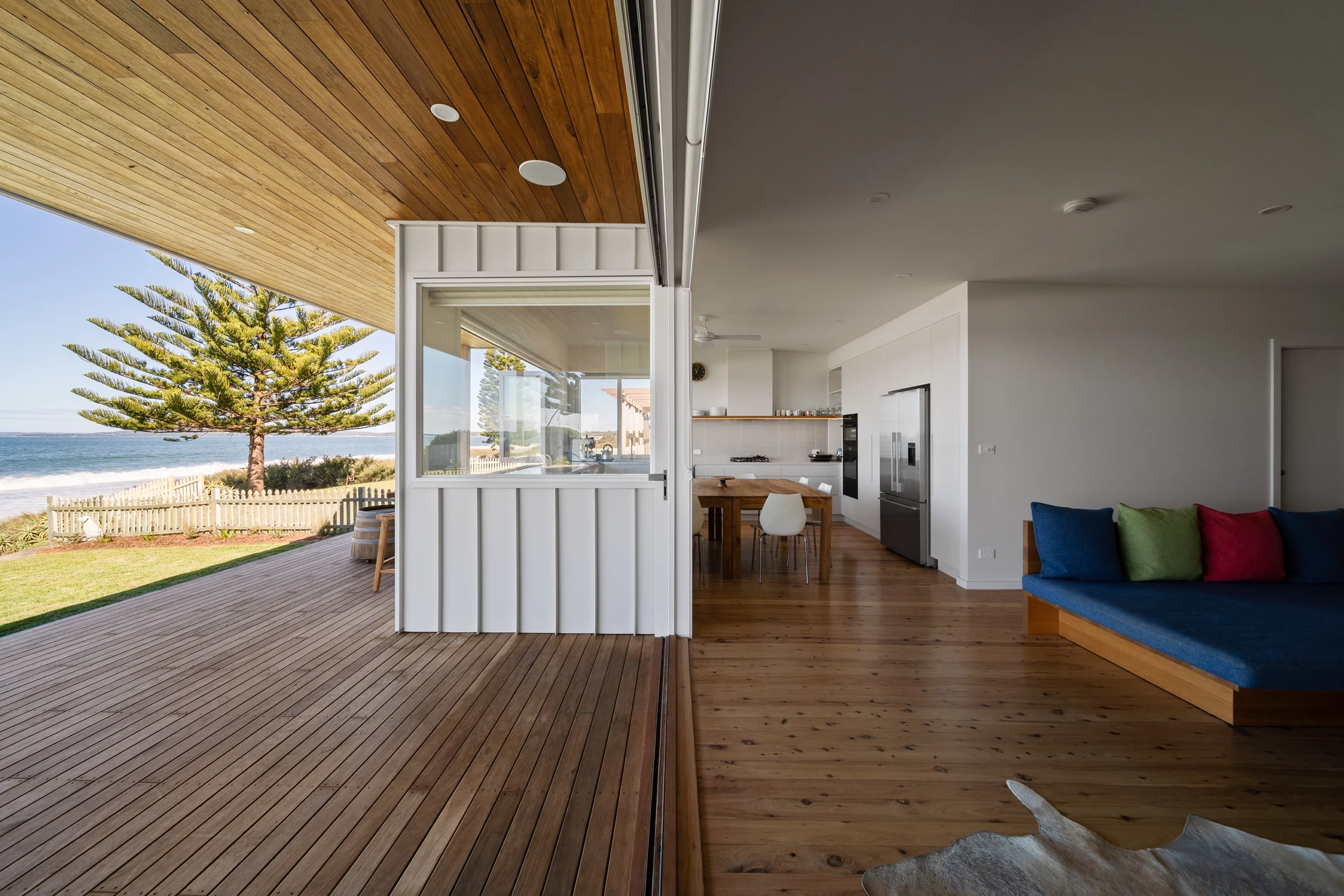
If you’ve ever walked from one room to another and noticed your timber floors look like they belong in completely different homes, you’re not alone. Mismatched floor tones are one of the most common cosmetic frustrations homeowners face – and more often than not, there’s a perfectly logical reason for it.
Here’s why it happens, and what you can do about it.
Why Your Floorboards Don't Match
Renovations & Extensions
This is the single most common cause. When rooms are added or updated at different times, matching the existing floor exactly is extremely difficult. Timber species, stain batches, and finishes all change between suppliers and years, meaning even the best intentions at the time of renovation can result in a noticeable difference down the track.
Age & UV Exposure
Floors that started out identical can look completely different after years of sun exposure. A north-facing loungeroom bathed in natural light will shift tone dramatically compared to a darker bedroom – even if both floors were laid on the same day. UV light alone is enough to transform a timber’s colour over time.
Different Timber Species
Many homes were originally built using different species in different areas. A harder, more durable timber was often used in high-traffic living spaces, while a cheaper or softer option was laid in bedrooms. Each species carries its own natural color and grain, which means even a fresh, unstained floor can look mismatched from room to room.
What You Can Do About Your Mismatched Floors
The good news is there are solutions for every budget and situation. Here’s what to consider depending on how much you want to invest:
Low Budget
Layer with large area rugs
This is the fastest and most impactful fix available. Place a large rug in each room to cover most of the floor – when the timber is largely hidden, tonal differences disappear. Choose rugs with a common colour thread running through them to tie the rooms together visually.
Paint walls a unifying colour
Running the same warm white or earthy tone through adjacent rooms pulls the eye upward and away from the floor. The variation in your floorboards starts to feel intentional rather than accidental.
Keep decor tones consistent
Matching furniture, cushions, and soft furnishings across rooms makes the floor recede into the background. When the rest of the space feels cohesive, the eye stops fixating on what’s underfoot.
Medium Budget
Add transition strips at doorways
Where two different floors meet, a T-bar or threshold strip in brushed brass or matte black frames the change as a deliberate design detail rather than an oversight. It’s a small addition that makes a big difference.
Combine rugs with cohesive styling
Go beyond just covering the floor – pair area rugs with repeating design elements like matching light fittings, consistent art framing, or the same plant varieties throughout the home. This creates a curated, intentional feel across every room.
Play with furniture contrast
Place darker furniture on lighter floors and lighter furniture on darker floors. This draws the eye to the room itself rather than the transition between spaces.
Long-Term Fix
Sand and restain all floors to a unified tone
If you’re open to a bigger project, this is the permanent solution. You don’t need every floor to be identical – even nudging them toward a shared mid-tone, like a warm medium oak, is enough to eliminate the mismatch and make the home feel cohesive from end to end. It’s an investment, but one that pays off in both liveability and resale value.
If you’re in Sydney and looking for a long-term fix the team at Abacus Flooring is happy to come out, take a look, and talk through your options. Get in touch to book a free quote.
Featured image: Culburra Beach builder, Sanders Construction Projects.