

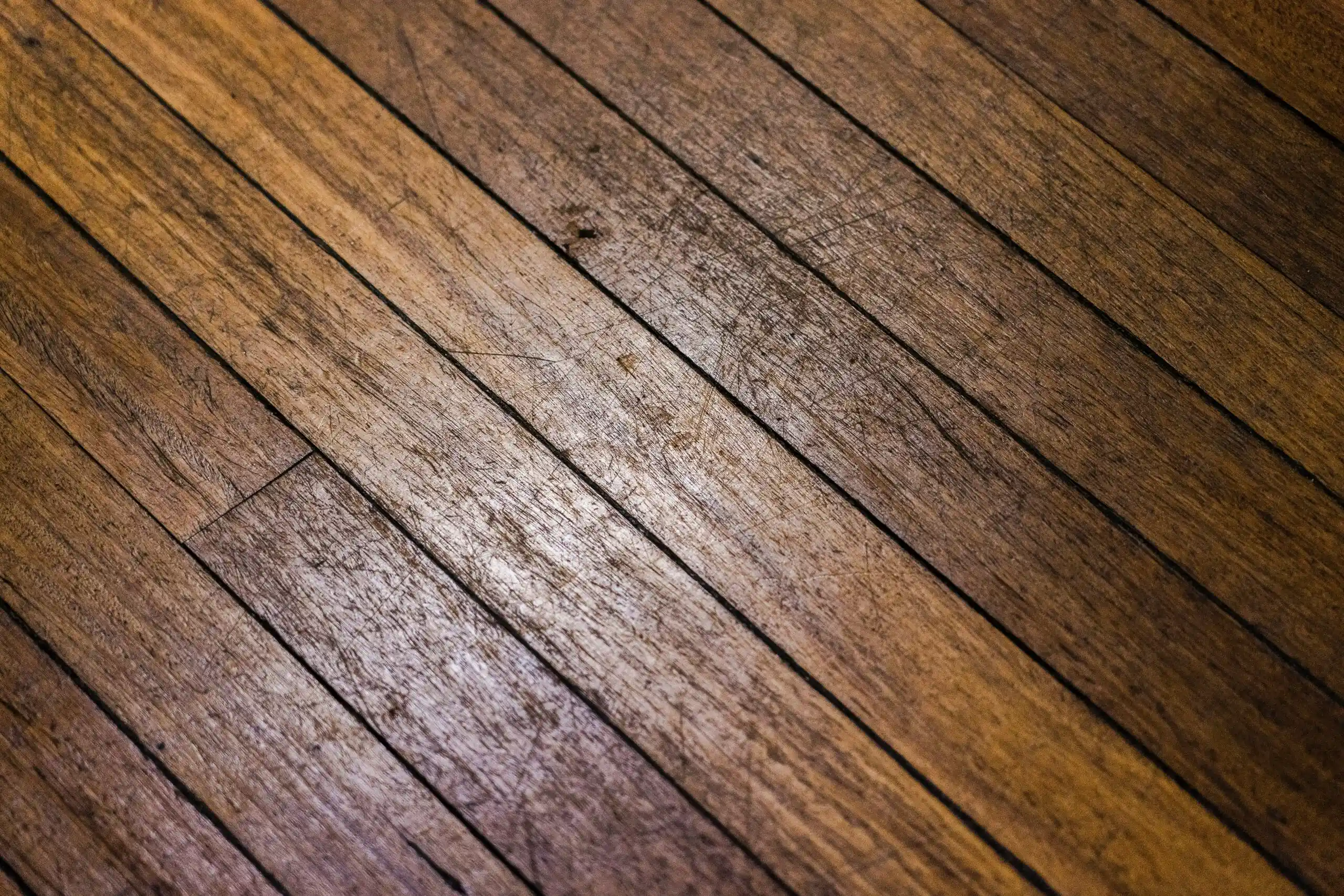
Timber floors bring character and warmth to any home, but everyday habits can quietly damage them without you even realising it. As a professional floor sander Sydney residents trust, the team at Abacus Flooring has seen firsthand how preventable mistakes can lead to costly repairs and premature floor refinishing.
From dragging furniture across the boards to using the wrong cleaning products, it doesn’t take much for wear and tear to show. Even with proper vacuuming, improper care can leave your beautiful timber scratched, dulled, or warped.
The good news? A few simple changes to your routine can protect your investment and keep your floors looking stunning for decades. Here are the three most common habits we see damaging timber floors and what to do instead.
1. Skipping Furniture Pads and Neglecting Pet Nails
Scratches are easily the most common type of preventable timber floor damage. Moving furniture without protective pads causes deep scratches that penetrate the finish and expose the raw timber beneath. This doesn’t just happen during a room makeover, either. Simply pulling out a chair at the dining table or shifting the couch to vacuum underneath can leave permanent marks on softer timber species like pine or brush box.
Outdoor shoes are another culprit. The grit and small stones embedded in shoe treads act like sandpaper, grinding away at your floor’s protective coating with every step. In coastal areas like the Northern Beaches, this problem is even worse. Sand tracked in from the beach is incredibly abrasive and can quickly dull your timber’s finish.
Pets add another layer of concern. If you’ve got dogs racing around the house, their nails need to be kept trimmed. Long claws clicking across timber floors aren’t just noisy, they’re actively scratching the surface with every step.
What to do instead:
- Attach felt pads to the bottom of all furniture legs, especially chairs and stools that get moved frequently
- Establish a shoes-off policy at the front door, particularly important for beach-loving households
- Keep a doormat outside and inside each entrance to catch grit before it reaches your floors
- Trim your pet’s nails regularly
- Place rugs in high-traffic areas to provide an extra layer of protection
These simple precautions will dramatically extend the life of your timber floors and reduce the frequency of sanding and refinishing needed.
2. Using Harsh or Multi-Purpose Cleaners
Many homeowners don’t realise that the cleaning products they use daily are slowly destroying their timber floors. Multi-purpose cleaners, despite their convenience, often contain harsh chemicals that strip away the protective finish on your timber. Once that finish is compromised, the raw wood underneath becomes vulnerable to water damage, staining, and accelerated wear.
Even seemingly gentle solutions like vinegar and water mixtures, often recommended as natural cleaning alternatives, can be harmful to timber floors over time. The acidity in vinegar gradually breaks down the polyurethane or oil finish, leaving your floors unprotected.
Steam mops present another issue. While they work brilliantly on tiles, the heat and moisture from steam can cause timber to warp and buckle. Timber is a natural material that expands and contracts with moisture exposure, and steam introduces far too much water too quickly.
The good news is that even if your floors have suffered from finish deterioration, the damage isn’t permanent. Professional sanding removes the compromised layer and applies fresh protective coatings. The entire process typically takes around three days for an average home, during which the floors are sanded back to bare timber, sealed, and given multiple protective coats. Understanding how long floor sanding and polishing takes can help you plan the restoration without major disruption to your household.
What to do instead:
- Invest in a pH-neutral timber floor cleaner specifically designed for sealed floors
- Use a barely damp microfibre mop, never a soaking wet one
- Avoid any cleaning method that introduces excessive moisture to the timber
- Immediately wipe up any spills to prevent water from sitting on the surface
- For stubborn marks, spot clean rather than mopping the entire floor
Remember, the protective finish on your floor is what keeps it looking beautiful. Preserving that finish should be your top priority when cleaning.
3. Vacuuming with the Wrong Settings or Tools
Regular vacuuming is essential for timber floor maintenance, but doing it incorrectly can cause more harm than good. Vacuum cleaners with rotating beater bars or stiff bristles are designed for carpets, not hard floors. When used on timber, these aggressive brushes create tiny scratches that accumulate over time, dulling the floor’s finish and creating a worn appearance.
Another mistake is neglecting to vacuum under area rugs. When dirt and sand accumulate beneath a rug, every footstep grinds those particles into the timber like an abrasive pad.
Using a vacuum without proper filtration can also be problematic. As the vacuum moves across the floor, it may blow fine dust particles across the surface, which then get ground in during normal foot traffic.
What to do instead:
- Always use the hard floor setting on your vacuum cleaner
- Turn off the rotating brush or use a soft brush attachment specifically designed for timber
- Lift rugs and vacuum underneath them regularly, at least once a fortnight
- Consider a vacuum with a soft roller head designed specifically for hard floors
- For particularly scratched or worn floors, have a professional floor sanding service assess whether refinishing is needed
If you’ve already noticed significant scratching or dullness across your timber floors, it may be time for professional intervention. A floor sander can restore the surface and apply a fresh protective finish.
Protecting Your Investment
Timber floors are a significant investment in your home, and with proper care, they should last for generations. The habits outlined above might seem minor, but their cumulative effect over months and years can be substantial.
By making these small changes to your daily routine, you’ll avoid the need for frequent refinishing and keep your floors looking as stunning as the day they were installed. Every home is different though, and sometimes specific questions arise about your particular timber type, existing damage, or the best maintenance approach for your lifestyle. Whether you have questions or simply want expert eyes on your floors, don’t hesitate to reach out for tailored advice about keeping your timber floors in top condition.
This article was inspired by similar content about hardwood floor care published by Homes & Gardens. We’ve adapted the concepts to reflect the specific needs and challenges of timber floors in Australian homes, particularly in coastal areas like the Northern Beaches.